Bump-Friendly Moves: How I Stayed Strong and Balanced While Pregnant
Pregnancy brings incredible changes—and endless advice. But when I felt my energy dip and body shift, I knew I needed real movement, not myths. Turns out, safe, simple exercises didn’t just ease discomfort—they boosted my mood and strength. This is how beginner-friendly techniques helped me embrace each trimester with confidence, all backed by expert guidance and personal discovery. For many women, the idea of exercising during pregnancy feels uncertain, even risky. Yet research and medical consensus agree: for most, staying active is not only safe but highly beneficial. The key lies in choosing the right kind of movement, listening closely to your body, and making informed choices with professional support.
The Real Talk About Exercise During Pregnancy
When a woman becomes pregnant, her body begins a remarkable transformation. Hormones shift, joints loosen, and the center of gravity changes as the baby grows. These natural changes often lead to questions about physical activity: Is it safe? Could it harm the baby? Should I stop lifting, bending, or moving the way I used to? The truth is, for the majority of healthy pregnancies, exercise is not only safe—it is encouraged. Major health organizations, including the American College of Obstetricians and Gynecologists (ACOG), recommend at least 150 minutes of moderate-intensity aerobic activity per week for pregnant women with uncomplicated pregnancies.
Despite this guidance, many women still hesitate. Some are influenced by outdated beliefs—like the idea that pregnancy is a time to “rest and do nothing” or that exertion might cause miscarriage. These myths are not supported by science. In fact, avoiding movement can lead to more complications, such as excessive weight gain, gestational diabetes, and increased discomfort. The reality is that regular, appropriate exercise helps maintain muscle tone, improves circulation, and supports emotional well-being. It does not increase the risk of preterm birth or low birth weight in normal pregnancies.
What matters most is individualization. Every pregnancy is different. A woman who was active before conception can often continue a modified version of her routine, while someone new to exercise can safely begin with gentle activities like walking or prenatal stretching. The guiding principle is consistency over intensity. It’s not about pushing limits or maintaining pre-pregnancy performance levels. Instead, it’s about staying connected to your body, supporting its changing needs, and building strength that will serve you through labor and beyond.
Why Movement Matters More Than You Think
Exercise during pregnancy is often misunderstood as a way to “stay in shape” or manage appearance. But its real value is far more functional and profound. Movement supports the body’s ability to adapt to the physical demands of growing a baby. Consider circulation: as blood volume increases by up to 50%, regular activity helps prevent fluid buildup and reduces swelling in the hands and feet. It also lowers the risk of varicose veins and deep vein thrombosis, conditions that can arise when blood flow slows.
Another critical benefit is weight management. While weight gain is a healthy and necessary part of pregnancy, gaining too much or too little can affect both mother and baby. Exercise helps regulate this process by supporting metabolism and encouraging balanced eating habits. It’s not about burning calories—it’s about creating a stable internal environment where both mother and child can thrive.
Mood regulation is another powerful outcome. Hormonal fluctuations can lead to anxiety, fatigue, and emotional ups and downs. Physical activity stimulates the release of endorphins and serotonin, natural brain chemicals that improve mood and promote relaxation. Women who stay active during pregnancy often report better sleep, reduced stress, and greater emotional resilience. Think of your core muscles as a supportive belt that wraps around your lower back and pelvis. When strengthened gently and consistently, they help carry the extra weight of pregnancy with less strain. This kind of functional fitness doesn’t require a gym—it just requires intention and regularity.
Green Lights and Red Flags: Knowing What’s Safe
Not all forms of exercise are appropriate during pregnancy, and knowing the difference can make all the difference in safety and comfort. The good news is that many low-impact, moderate activities are not only safe but highly recommended. Walking, swimming, stationary cycling, and prenatal yoga top the list of doctor-approved options. These activities support cardiovascular health without placing excessive stress on joints or risking falls.
Swimming, for example, offers near-weightless movement, which can be especially soothing in the second and third trimesters when the bump is larger and mobility is more limited. The water supports the body’s weight, reducing pressure on the spine and pelvis, while still allowing for full-body engagement. Prenatal yoga focuses on breath control, flexibility, and pelvic floor awareness—skills that directly support labor and delivery.
On the other hand, certain activities should be avoided. High-impact exercises like jumping, running on hard surfaces, or plyometrics increase the risk of joint injury due to the hormone relaxin, which softens ligaments to prepare the body for birth. Contact sports such as soccer or basketball pose a risk of abdominal trauma and are not advised. After the first trimester, lying flat on your back for extended periods can compress the vena cava, the large vein that returns blood to the heart, potentially causing dizziness or low blood pressure. This position should be avoided in favor of side-lying or upright postures.
It’s also important to recognize warning signs that it’s time to stop. These include chest pain, headaches, vaginal bleeding, regular contractions, or a sudden gush of fluid. Dizziness, shortness of breath before exertion, or pelvic pressure are subtle but significant signals that the body may be under strain. When in doubt, pause and consult a healthcare provider. Safety isn’t about fear—it’s about awareness, respect for your body’s signals, and making choices that honor your health and your baby’s.
My Go-To Beginner Moves (And Why They Worked)
Starting an exercise routine during pregnancy doesn’t require special equipment or hours of time. In fact, some of the most effective movements are simple, gentle, and can be done at home with minimal space. Here are five foundational exercises that became my daily staples, each chosen for its safety, effectiveness, and functional benefit.
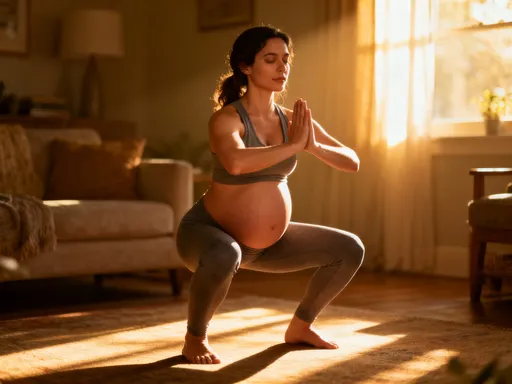
First, modified squats. Standing with feet shoulder-width apart, I would slowly lower into a squat, keeping my back straight and knees behind my toes. Using a chair for light support, I’d rise back up with control. This movement strengthened my glutes and thighs—muscles essential for labor and carrying the baby’s weight. It also improved hip mobility, which helped reduce lower back tension.
Second, standing pelvic tilts. Placing my hands on the wall for balance, I’d gently rock my pelvis forward and backward, engaging my abdominal muscles without straining. This small motion made a big difference in posture, counteracting the forward pull of the growing belly. Within days, I noticed less lower back discomfort and a greater sense of alignment.
Third, seated leg lifts. Sitting on a sturdy chair, I’d extend one leg at a time, holding for a few seconds before lowering. This strengthened my hip flexors and quadriceps without overloading my joints. It was easy to do while watching the morning news and helped maintain circulation in my legs.
Fourth, wall push-ups. Instead of floor push-ups, I stood at arm’s length from a wall, leaned in, and performed controlled presses. This built upper body strength—important for lifting and carrying after birth—without putting pressure on my abdomen or risking strain.
Fifth, prenatal walking routines. I started with just 10 minutes a day, gradually increasing to 30. I chose flat, even paths and wore supportive shoes. Walking became more than exercise—it was a time to clear my mind, enjoy fresh air, and connect with my changing body. I focused on posture: shoulders back, core gently engaged, arms swinging naturally. Over time, my stamina improved, and I felt more energized throughout the day.
Building a Routine That Fits Your Life
One of the biggest obstacles to staying active during pregnancy isn’t physical—it’s logistical. Between work, family, and the fatigue that often comes with early pregnancy, finding time and motivation can be challenging. The key is not to aim for perfection but to build a routine that fits your real life. Consistency, not intensity, is the true measure of success.
I began with just 15 minutes, three times a week. I chose mornings, when my energy was highest, and treated the time as a non-negotiable appointment with myself. I didn’t need special clothes—just comfortable pants and a supportive top. A pair of athletic shoes and a water bottle were all the equipment I needed. On days when I felt too tired for structured exercise, I did a short stretching sequence or took a slow walk around the block.
As my pregnancy progressed, I adjusted my routine. In the second trimester, I added a prenatal yoga video twice a week. In the third, I shortened my walks and focused more on pelvic floor exercises and breathing techniques. The goal wasn’t to stick rigidly to a plan but to stay responsive to my body’s needs. I learned to celebrate small wins: completing a five-minute stretch, remembering to hydrate, or simply showing up—even if I didn’t feel like it.
Another helpful strategy was integrating movement into daily tasks. I parked farther from store entrances, took the stairs when possible, and did gentle stretches while waiting for dinner to cook. These small choices added up. Over time, I built a lifestyle of movement that felt natural and sustainable, not forced or punishing.
Mindset Shifts That Made All the Difference
Perhaps the most transformative part of my journey wasn’t the physical changes—it was the shift in how I thought about exercise. For years, I had viewed workouts as a way to earn food, fix my body, or meet external standards. Pregnancy changed that. I began to see movement as an act of care, not correction. It wasn’t about looking a certain way or hitting a number on the scale. It was about feeling strong, capable, and connected to the life growing inside me.
This new mindset helped me overcome common mental hurdles. Fear of doing something wrong was real—especially when I saw conflicting advice online. But I learned to trust my body’s signals and rely on evidence-based guidance. Guilt over missing a day no longer controlled me. I reminded myself that rest is also part of health. One skipped session didn’t erase progress. In fact, listening to my body when it needed rest was a form of wisdom, not failure.
Comparison was another challenge. I no longer measured myself against my pre-pregnancy self or other women on social media. Every pregnancy is unique. My body was doing something extraordinary—it didn’t need to look or move like anyone else’s. I began to appreciate what my body could do, not just how it looked. Completing a short walk, holding a squat for five seconds, or simply standing with better posture became victories worth celebrating.
This shift in perspective didn’t happen overnight. It grew from small, consistent choices and a commitment to self-compassion. I started speaking to myself with kindness, using words like “strong” and “capable” instead of “slow” or “out of shape.” That inner dialogue made all the difference in staying motivated and emotionally grounded.
Partnering With Your Provider: The Non-Negotiable Step
No discussion about prenatal exercise is complete without emphasizing the importance of medical guidance. Every woman’s pregnancy is different, and some conditions—such as placenta previa, preeclampsia, or cervical insufficiency—require specific restrictions or modifications. That’s why starting any exercise program should begin with a conversation with your OB-GYN or midwife.
This conversation is not a formality—it’s a partnership. Your provider knows your health history and can offer personalized advice based on your unique situation. They can help you understand what activities are safe, when to modify, and what warning signs to watch for. For women with high-risk pregnancies, they may recommend specific limitations or alternative forms of movement, such as chair-based exercises or guided breathing practices.
Coming to your appointment prepared can make the discussion more productive. Consider asking questions like: Is it safe for me to continue my current routine? Are there any activities I should avoid? How will I know if I’m overdoing it? What changes should I expect as my pregnancy progresses? These questions open the door to shared decision-making and ensure you’re not navigating this journey alone.
Remember, exercise during pregnancy is not a solo endeavor. It’s a collaboration between you, your body, and your healthcare team. When approached with care, knowledge, and professional support, it becomes a powerful tool for wellness—one that supports not just physical health, but emotional resilience and confidence as you prepare for motherhood.
Movement during pregnancy is more than a habit—it’s a form of preparation, connection, and self-respect. It’s about building strength not just for labor, but for the long journey of parenting. By choosing safe, sustainable, and mindful activities, women can honor their changing bodies and nurture both themselves and their babies. The goal isn’t to do more, but to feel better—to move with purpose, listen with compassion, and embrace each stage with confidence. With the right guidance and a kind mindset, staying active during pregnancy becomes not just possible, but profoundly rewarding.